Materials
EPDM vs SBR: materials, layers and the complete system
EPDM and SBR are not always competing choices; they often serve different purposes within the same poured rubber assembly.
Équipe Aménagement Lalonde · · 8 min read
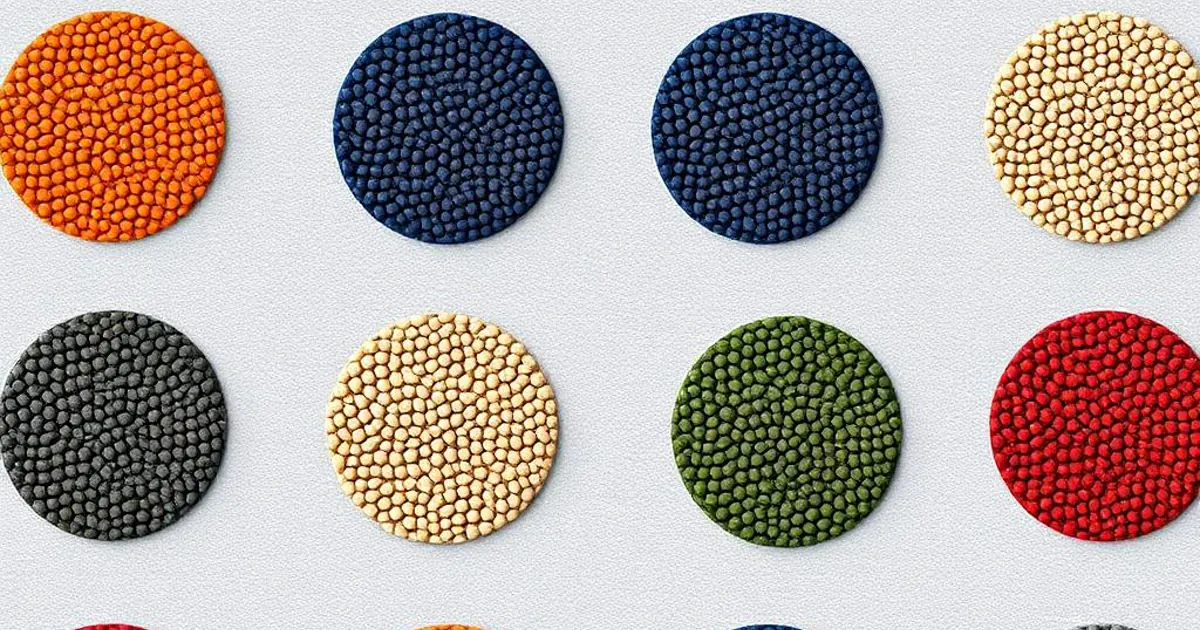
EPDM vs SBR is often framed as a head-to-head choice, although documents for some poured systems assign the materials complementary roles. A finish sold as EPDM may be described over a lower course containing SBR, including products made with recovered tire rubber.
That build-up is an example, not a rule. Granule composition, binder, thickness, substrate, drainage and application conditions should be checked in the documents for the system actually proposed.
What EPDM and SBR mean
In the poured-surfacing market, the EPDM label is used for different granule and finish offerings. Their composition and stated properties should be checked against the documentation for the product actually being offered.
The SBR label can also cover different products. RECYC-QUÉBEC lists synthetic play and sport surfaces among possible outlets for recovered tire rubber, but that information does not establish the composition, compliance or performance of a particular product.
Why both materials may appear in one system
Technical documents for some multi-layer assemblies assign different functions to lower and upper courses, such as building thickness below an exposed finish. When a system combines SBR and EPDM, its manufacturer should identify the function of each material.
Other configurations exist, including single-course systems and different materials. The written proposal should identify what will actually be installed: composition, course thicknesses, binder, primer and substrate.
- Identify the purpose of every course
- Confirm specified thickness rather than a vague nominal depth
- Request data sheets for granules and binder
- Verify compatibility with the existing substrate
Compare appearance without losing sight of use
Depending on the products offered, a finish sold as EPDM may provide visible colour blends, while tire-derived granules may be darker. Exact offerings vary by manufacturer and process, and colour alone does not identify the complete system.
Use should come before palette. Pool surrounds, pedestrian spaces and vehicle areas carry different loads, water exposure and edge conditions. Specification should follow those needs rather than a rule that one material is always superior.
- Exposure to sun, water and contaminants
- Foot traffic, furniture or rolling loads
- Texture and maintenance required for the use
- Samples viewed in actual site lighting
Substrate and binder can decide the outcome
Appropriate granules cannot make up for an unstable base, reverse slope or weak bond. Cracks, moisture and contamination should be assessed before the wearing course is specified.
Binder holds the granules together and connects them to the rest of the assembly. Compatibility, ratio, mixing conditions and the installation weather window must follow the system instructions; performance cannot be inferred from EPDM or SBR alone.
Quebec projects also need a deliberate water path and preparation for seasonal substrate movement. Those conditions are site-specific and belong in the scope.
Recycled content does not make products interchangeable
SBR can provide an outlet for recovered rubber. That is worth documenting, but recycled percentage, source, processing and final use should be confirmed rather than assumed.
A responsible decision looks at the entire system, material quantity, service under the intended conditions, maintenance and repair or end-of-use options. An environmental statement should not stop at one component or turn into a blanket promise.
- Ask for the source and description of the granules
- Separate recycled content from future recyclability
- Do not treat every tire-derived surface as identical
- Keep product records for maintenance and repair
Questions that belong in the quote
A useful comparison requires equivalent assemblies. If one quote includes a base course and EPDM finish while another says only poured rubber, the prices and scopes are not directly comparable.
Ask how edges, joints, drains, repairs and concealed conditions will be handled. A site-specific, qualified answer is more credible than a claim that a material can never crack, become slippery or wear.
- What is the composition of each course?
- Which substrate preparation is included?
- What installation conditions must be met?
- How will transitions and water be managed?
- Which maintenance guidance applies to this exact system?
Frequently asked questions
Is EPDM always better than SBR?
No. They can serve different functions. The right choice depends on use, assembly, substrate, binder, exposure and the project’s objectives.
Is surfacing SBR always made from recycled tires?
Not necessarily. Much granulated SBR is associated with recovered tires, but source and recycled content should be confirmed in the proposed product documentation.
Can a surface be made entirely with EPDM?
Some systems allow it, but the appropriate build-up depends on the product, use and substrate. Request a written description of every course and its thickness.
Which option is best around a pool?
Review the complete system, texture, grades, drainage, base, maintenance and coping details. Neither acronym replaces a site assessment or the pool’s access-control requirements.