Project Planning
EPDM rubber surfacing cost: what shapes a complete quote
There is no dependable universal square-foot price. Learn what belongs in a site-specific EPDM quote and how to compare proposals fairly.
Équipe Aménagement Lalonde · · 8 min read
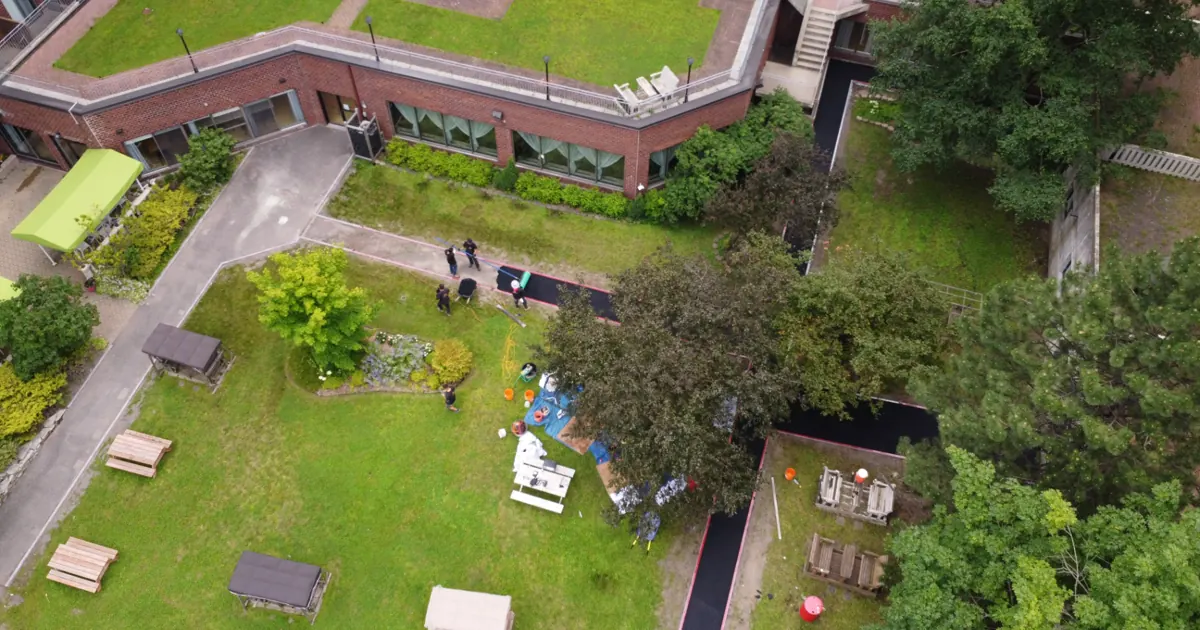
EPDM rubber surfacing cost cannot be reduced to one universal rate because equal-sized areas may require very different preparation and detailing. Square footage matters, but base condition, grades, repairs, access and system build-up often account for a substantial part of the work.
A responsible estimate begins with good information and, as planning advances, a site assessment. This guide does not publish a generic range; it explains why quotes vary and how to compare offers that actually cover the same scope.
Why a universal EPDM price is misleading
A flat square-foot figure assumes the substrate is ready, the work area is open and every detail is standard. In reality, a compact pool surround with curves, thresholds and repairs may require more preparation per square foot than a large uninterrupted patio.
The total should correspond to an identified system and a defined scope. Without both, a low estimate may exclude work that later proves necessary, while a more complete proposal can look expensive even though it includes substantially more.
Area, layout and edge details
Net area drives material quantities, but layout affects installation time. Pool curves, stairs, posts, covers, drains and connections to other materials require careful cutting, masking and hand finishing.
Perimeters must also retain the system at the intended elevation. A poorly planned transition can hold water or leave an unwanted lip, so edge treatment should be described in the quote rather than decided on the fly.
- Approximate dimensions and a simple plan
- Length of straight and curved edges
- Number of stairs, drains, thresholds and obstacles
- Connections to concrete, pavers, lawn or the building
Substrate condition and preparation
Cleaning, grinding, decontamination, localized repair and base replacement are different scopes. A surface that looks acceptable in photos may contain hollow areas, active cracks, reverse slopes or trapped moisture.
The quote should separate known preparation from concealed conditions. When something cannot be confirmed in advance, the process for documenting and approving a scope change should be clear.
- Substrate type, apparent age and stability
- Cracks, scaling, paint or previous coatings
- Moisture, contamination and hollow-sounding areas
- Possible grade or drainage corrections
System design and material quantity
The assembly should suit the use. A pool deck, pedestrian path and vehicle area do not necessarily call for the same base, wearing course, thickness or edge detail.
Colour blends, granule selection and binder choice can also affect sourcing. Technical needs should be established first; choosing only by appearance or a unit price can shift risk into preparation, detailing or maintenance.
- Proposed layers and thicknesses
- Granule type and selected colour blend
- Binder and primer compatible with the substrate
- Allowance for waste, details and transitions
Access, logistics and weather window
The route from the vehicle and mixing area to the installation affects handling. Narrow gates, stairs, enclosed yards and restricted work hours can require a different setup than direct access beside an open driveway.
Temperature, humidity and precipitation must stay within the product requirements during placement and cure. Climate normals describe regional conditions, but the go-ahead should follow the actual forecast and the limits of the specified system.
- Gate width and overhead clearance
- Protection for walls, landscaping and adjacent finishes
- A safe location for mixing and staging
- A postponement plan when conditions leave the required window
How to prepare and compare complete quotes
Give each company the same project summary: dimensions, photos, intended use, desired schedule and known concerns. Ask for a written proposal that separates preparation, system installation, details and exclusions. Quebec’s consumer protection office also recommends getting a detailed written offer and reviewing the contract carefully.
Compare assumptions before totals. If one proposal includes base repair and another assumes a ready substrate, they are pricing different projects. Written clarification improves planning without pretending that no concealed condition could ever arise.
- Clearly identified scope, materials and quantities
- Preparation, protection and cleanup described
- Exclusions and concealed conditions explained
- Schedule, weather limits and return-to-service timing
- Maintenance instructions for the installed system
Frequently asked questions
What is the average EPDM rubber surfacing cost per square foot?
There is no reliable universal price without reviewing the site. Base condition, repair needs, layout, access, drainage and the specified system can materially change the scope; a site assessment supports a meaningful quote.
Why can a small area cost more per square foot?
Mobilization, protection, mixing, edges and detail work are still required. On a small, complex area, those tasks are distributed across fewer square feet.
Are concrete repairs normally included?
Only when the proposal says so. Ask which cracks or damaged areas will be addressed, what method is planned and how concealed conditions will be handled.
Can photos be used for an initial estimate?
Photos and dimensions can help frame the project. They do not confirm stability, moisture, grades or every repair, so the final price should follow sufficient verification of the site.